California Abalone Farm: Inside the Operation Keeping It Alive
I got an inside look at the Cultured Abalone Farm in Goleta, one of two abalone farms left in California. Here's how they raise sustainable red abalone, what it tastes like, and how to visit or order direct.
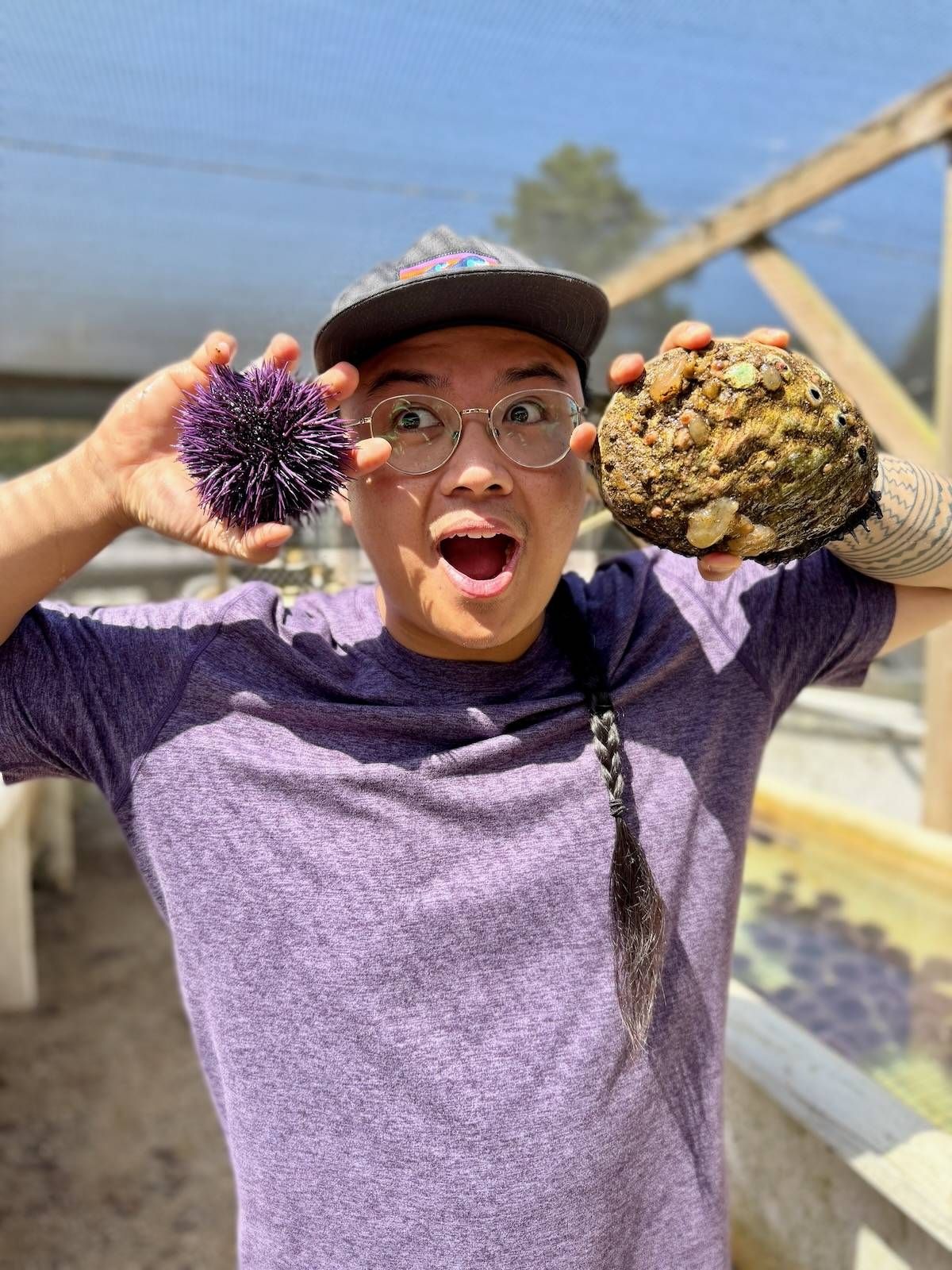
The Cultured Abalone Farm in Goleta, California is one of two abalone farms left in the entire state. They have raised sustainable red abalone using Santa Barbara Channel seawater since 1989. Wild abalone cannot be legally harvested anywhere in California. This farm is the primary reason it still appears on restaurant menus and ships live to your door.
The Farm Nobody Sees Coming
The driveway is dirt. There is no sign announcing that something remarkable is happening here. You pull in off the road, walk a path through the trees, and the first thing you notice is kelp drying on the ground alongside the path. Harvested from the Santa Barbara Channel, laid out in the open as backup feed for whenever the fresh weekly cuts run low.
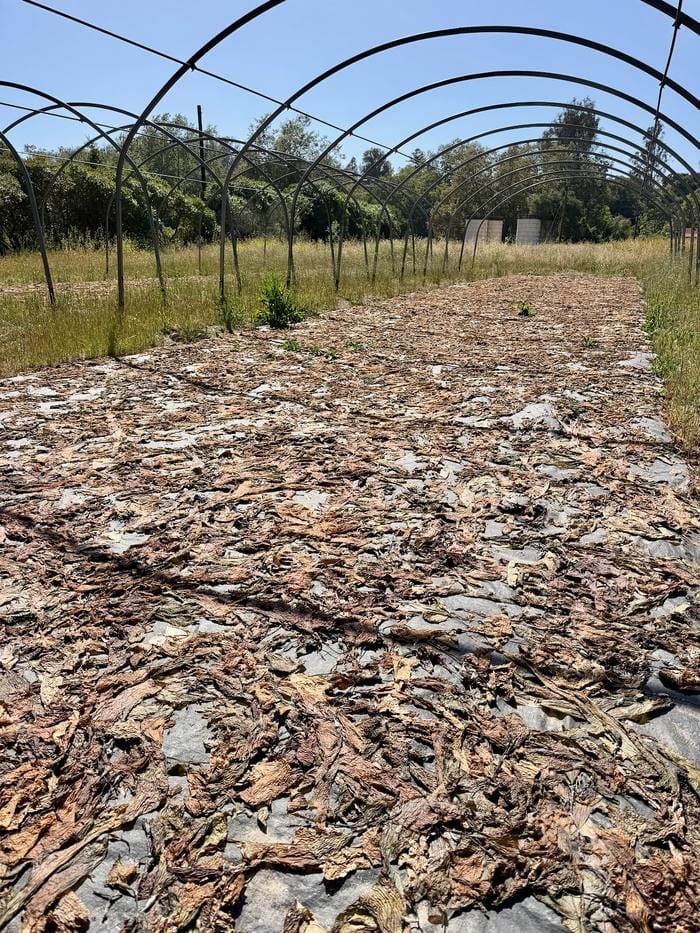
Hawks circle overhead. The air is cool and clean.
Then you come around a bend and see it. Tanks. Hundreds of them. The sound of running water is constant, a low, steady current threading through the entire operation. Fresh seawater pumped in continuously through two pipes running 1,000 feet offshore and 40 feet deep. No pumps. The ocean pressure does all the work.
You step down into the hatchery, a low-ceilinged shed filled with the same steady sound of moving water and rows of tanks so small the abalone inside are invisible to the naked eye. And the smell of clean seawater and the faint mineral scent of the ocean. Just the ocean, flowing through.
Being mindful about what you eat, how it was grown, and how the ecosystem responds to that choice is how we sustain and recover the environments and the foods we love most. Abalone, raised this way, at this farm, is a perfect example of what that looks like in practice.
Why Can't You Harvest Wild Abalone in California Anymore?
California's commercial abalone fishery was banned statewide in 1997 after decades of overharvesting and population collapse. The recreational fishery in Northern California followed in 2018. Today, wild abalone cannot be legally harvested anywhere in the state, by commercial operators or recreational divers.
What that means in practice: if you eat abalone anywhere in California, it was farmed. And if it was farmed in California, there is an overwhelming chance it started here.
What Is the Cultured Abalone Farm?
The Cultured Abalone Farm has been operating on the Santa Barbara coast in Goleta since 1989. It is one of two abalone farms left in the entire state. The other, in Monterey, sources its seed abalone from this one. That means every California abalone available on the market today originated at this farm.
The operation runs entirely on seawater pumped directly from the Santa Barbara Channel through two pipes, 1,000 feet offshore and 40 feet deep, feeding a gravity-driven system that supplies over 450 tanks across the property. No chemicals. No antibiotics. Just clean, cold, open-ocean water.
Alongside the abalone, the farm grows two species of red seaweed on site, ogo and dulse, which feed the younger animals in the hatchery and intermediate stages. Purple sea urchins are raised in adjacent tanks, the same urchins whose overpopulation stripped California's kelp forests bare when abalone populations collapsed. Here they are fed, rehabilitated, and turned into a commercially viable product.
How Is California Abalone Farmed?
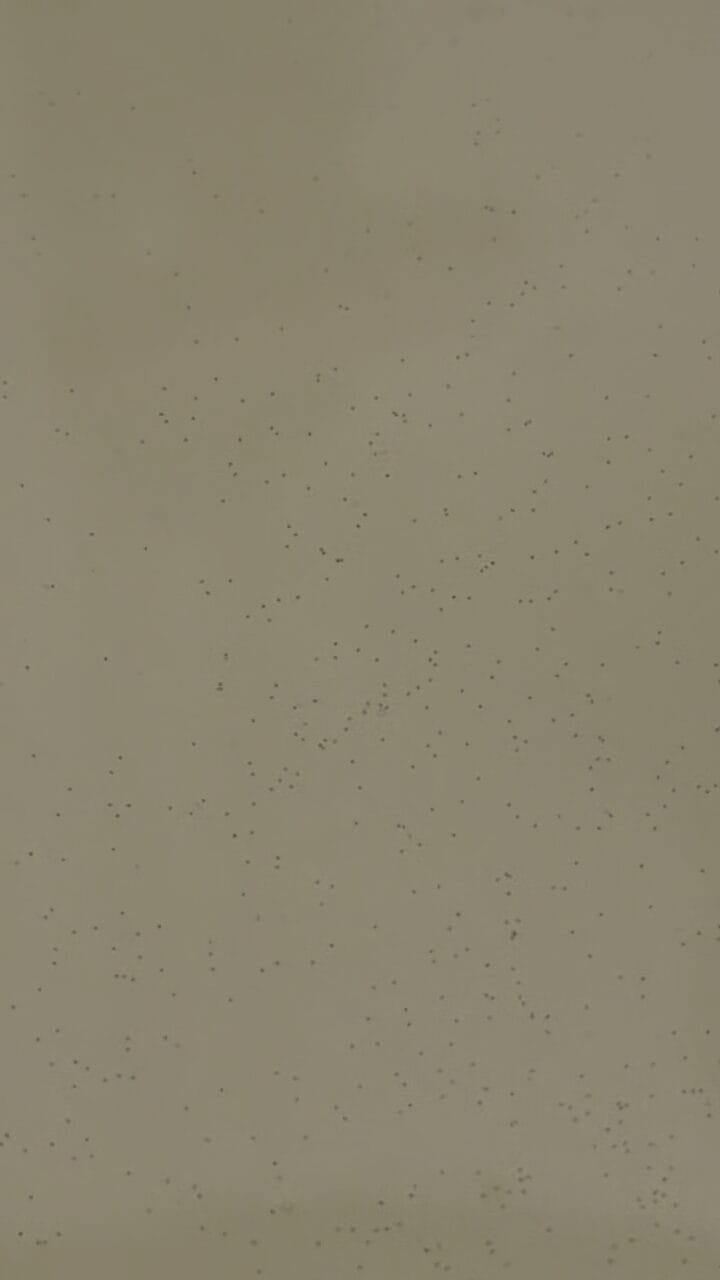
The lifecycle starts in the hatchery. At the earliest stage, abalone larvae look exactly like ground pepper. Microscopic. Already wearing a shell. They eat microalgae and the red seaweed grown on site, spending six months in the hatchery before graduating to intermediate tanks.
In the intermediate stage, up to two years, the animals grow on ogo and dulse while the farm begins sorting them by size. Then come the racks, larger outdoor tanks where the abalone switch to giant kelp harvested fresh from the Santa Barbara Channel every single week, 30,000 pounds of it. By the time any of these animals reach your plate, three to five years have passed.
What struck me most was how little input the whole system actually requires. Seawater. Seaweed. Kelp. Time. No synthetic inputs, no shortcuts, no industrial scale interventions. A labor of love measured in years, with results measured in the depth of flavor on your plate.
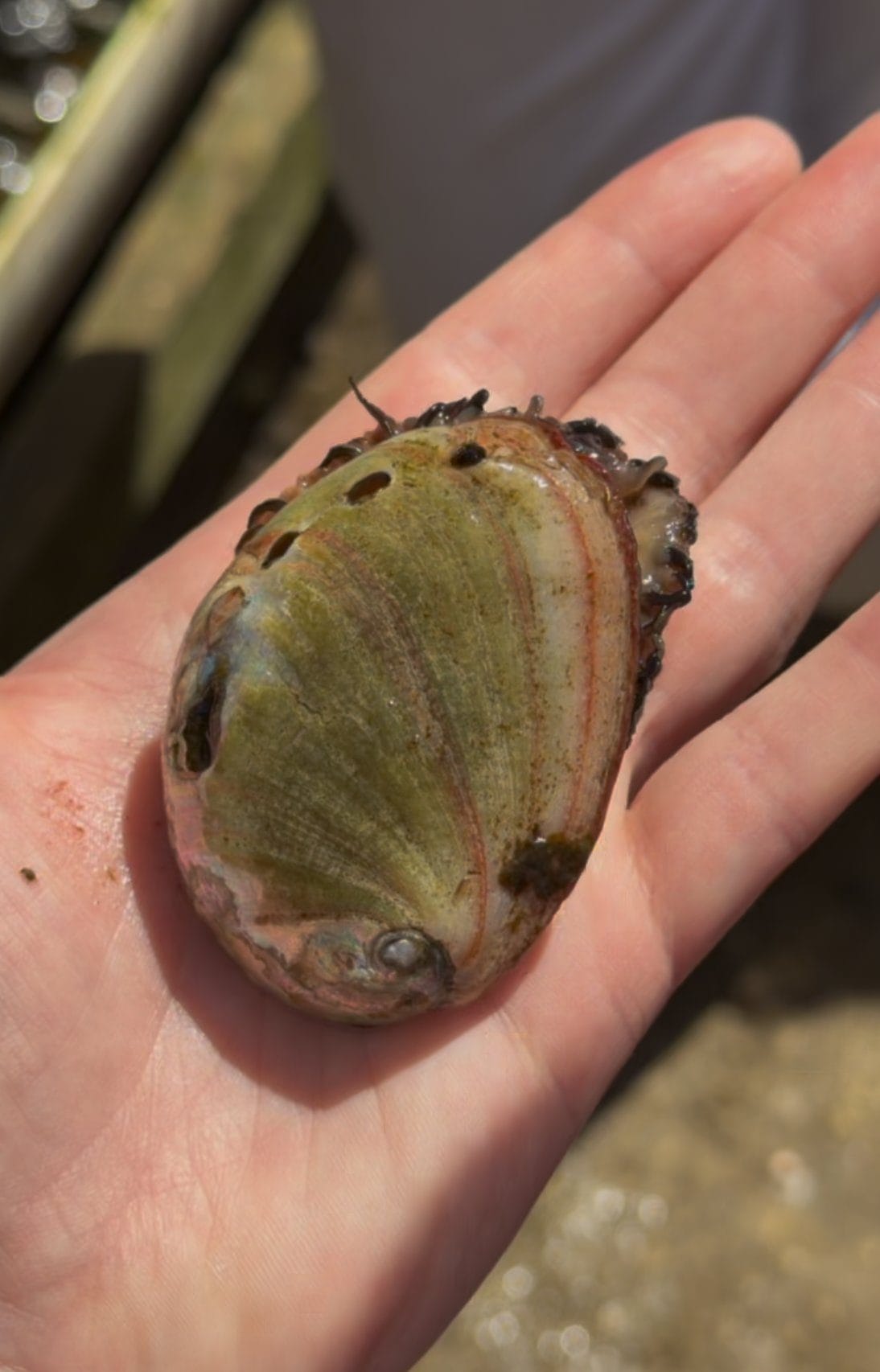
The shell carries the full record of every stage. Dark red bands mark the periods when the abalone was eating red seaweed. Green bands show when it switched to giant kelp. Every abalone you ever hold is wearing a diary of exactly how it was raised.
The Circular System This Farm Could Become
Here is the part the video could not fully capture.
Walking the property, watching the seaweed tanks and the urchin pens running alongside the abalone, you start to see the outline of something more significant. The waste produced by the abalone could feed directly back into the seaweed. The seaweed feeds the abalone and the urchins. Scallops, which filter the water as they grow, could move through the same system, pulling nutrients from the seawater already flowing through the farm.
Andie, the farm's tour coordinator, mentioned she is already working on getting scallops into the operation potentially as a side project. They drift in naturally from the seawater intake and the potential is obvious. More revenue, more biodiversity, more system efficiency.
What exists here is not yet a fully circular system, but all the components are already in place. The seawater source, the seaweed cultivation, the multi-species approach, the proximity. The constraints are timing, logistics, and culinary market demand. But the potential is real, and it is the thing I kept thinking about long after I left.
The best sustainable food operations are not just farming product. They are building ecosystems. This farm is closer to that than most.
What Does Farmed California Abalone Actually Taste Like?
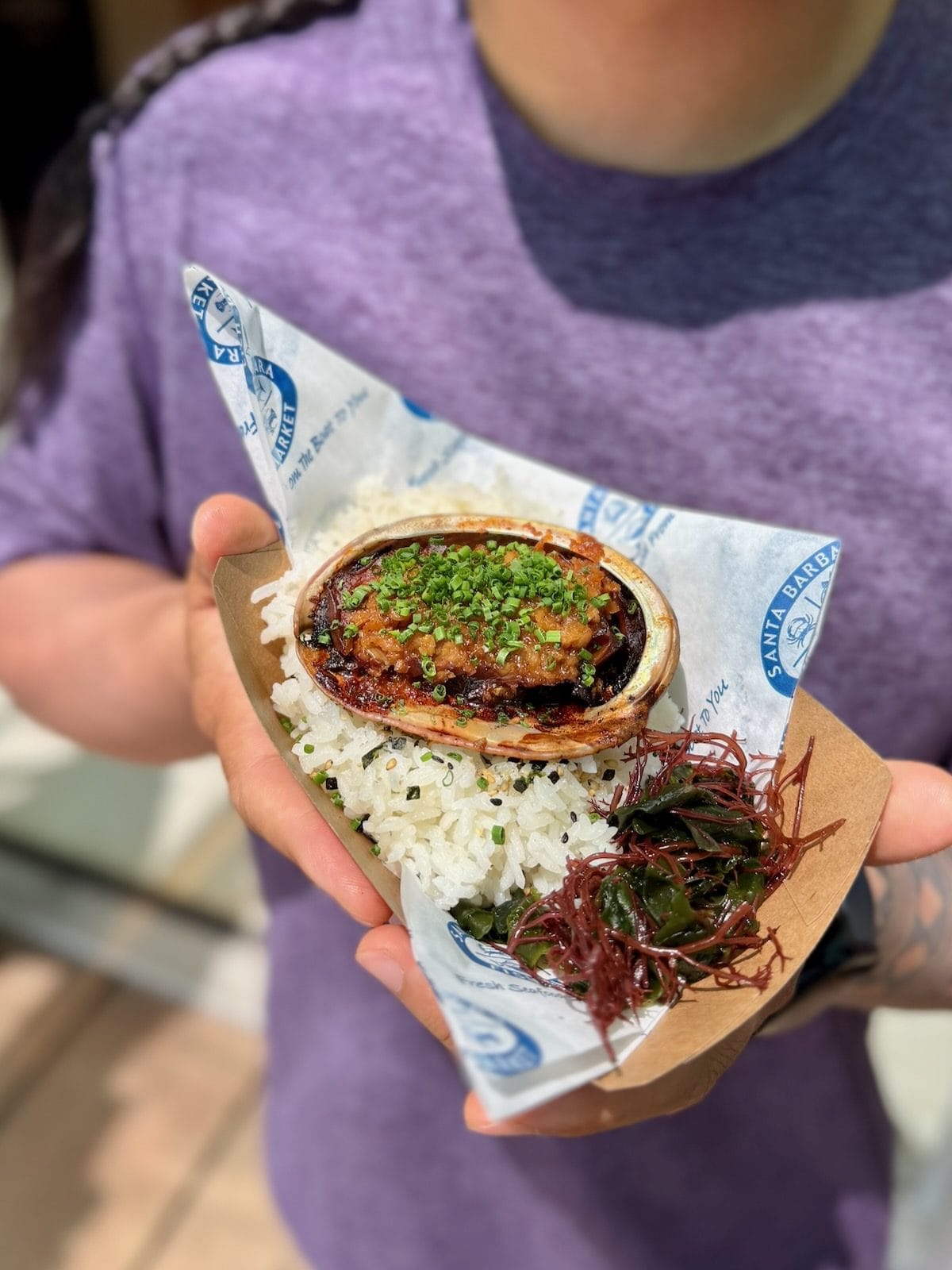
Chef Paul Osborne at the Santa Barbara Fish Market braised them in soy, sake, and mirin, then finished them on the grill with garlic butter, served over rice with a seaweed salad. On the farm. By the ocean.
The best way I can describe it: imagine a mushroom and an octopus had a child, and that child was raised by the sea. There is a satisfying crunch and chew to the texture, something firm and substantial that holds up to the heat without turning rubbery. It is deeply savory and umami in a way that feels complete. Not briny the way a clam can be briny. Not delicate the way a scallop is delicate. More grounded. More depth. The kind of fulfilling that most shellfish never quite reach.
Eating it there, on the farm, knowing exactly how long it took to arrive on that plate, changes something. Four years of ocean farming in one bite. You taste the care.
Is Abalone Farming Sustainable?
Yes, and specifically at this scale and with these methods. The Cultured Abalone Farm uses no synthetic inputs, no antibiotics, no chemicals. The water source is the open ocean. The feed is wild-harvested kelp and seaweed grown on site. The operation is built around what abalone naturally eat and how they naturally grow.
Beyond the commercial operation, the farm participates in the white abalone recovery program run by NOAA Fisheries, maintaining critically endangered white abalone populations for conservation and outplanting. The commercial red abalone farm is funding the infrastructure that is actively helping bring a nearly extinct species back from the edge. That dual purpose matters.
Where Can You Buy California Abalone?
The Cultured Abalone Farm sells direct at culturedabalone.com. They ship live, and the abalone survive in your refrigerator for three to four days after delivery. They also supply restaurants throughout California and nationally.
If you are in the Santa Barbara area, the Santa Barbara Fish Market in Goleta carries their product fresh, and Chef Paul Osborne knows exactly what to do with it.
Can You Visit the Cultured Abalone Farm?
Yes. Walking farm tours run on select dates throughout the year, covering the full operation from hatchery to harvest. The farm shop is open Saturdays 12 to 2pm where you can buy live abalone, purple urchins, and seaweed direct. Book a tour and get current dates at culturedabalone.com/visit-us.
If you are anywhere near Santa Barbara, it is worth the drive. The tour is one of those rare food experiences that actually changes how you think about what you eat.
Frequently Asked Questions
What happened to wild abalone in California? California banned commercial abalone fishing statewide in 1997 due to population collapse from overharvesting. The Northern California recreational fishery closed in 2018. Wild abalone cannot be legally harvested anywhere in the state today.
How long does it take to farm abalone? At the Cultured Abalone Farm, red abalone spend approximately six months in the hatchery, one to two years in intermediate tanks, and one to three years in rack tanks before reaching market size. The full journey from larvae to plate takes three to five years.
What does farmed abalone taste like? California red abalone has a deep, umami-forward flavor with a firm, satisfying texture. The best description: a cross between mushroom and octopus, with a crunch and chew that holds up beautifully to heat. It is more savory and complete than most shellfish, with less brine and significantly more depth.
Is farmed abalone sustainable? Yes. The Cultured Abalone Farm raises red abalone using only seawater, wild-harvested kelp, and on-site grown seaweed. No synthetic inputs. The farm also participates in the NOAA white abalone conservation and recovery program.
Where can I buy California abalone? Order direct from culturedabalone.com. They ship live abalone nationally. In the Santa Barbara area, the Santa Barbara Fish Market in Goleta carries their product fresh year-round.
Can you visit the Cultured Abalone Farm? Yes. Walking farm tours run on select dates. The farm shop is open Saturdays 12 to 2pm. See current tour dates and book at culturedabalone.com/visit-us.
Come See It Yourself
The most important thing you can do after reading this is go.
Not because the farm needs your tourism dollars, though those help. But because understanding where food comes from, seeing the tanks, holding a living abalone, watching the hawks circle overhead while fresh seawater runs steadily through the operation, changes your relationship with what you eat. The ocean is the source of all of it. The farms doing this work right are the ones keeping that source alive, one patient, carefully raised animal at a time.
Book a tour at culturedabalone.com. Order direct if you cannot make the trip. And when you cook it, treat it with the respect it has earned.