The Sea Urchin Eating California's Kelp Forests (And Why I Ate It)
I cracked open a purple sea urchin in a Mendocino kelp barren and found almost nothing inside. Here's how a starving urchin that helped wreck the forest becomes some of the sweetest uni on the coast, and three ways to try it yourself.
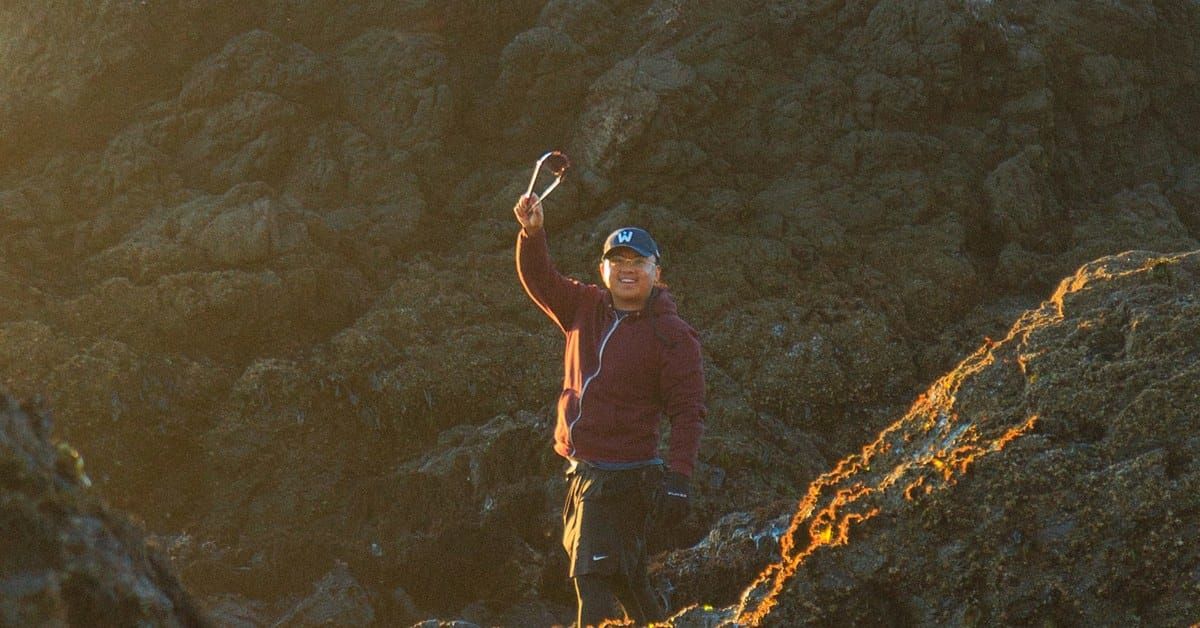
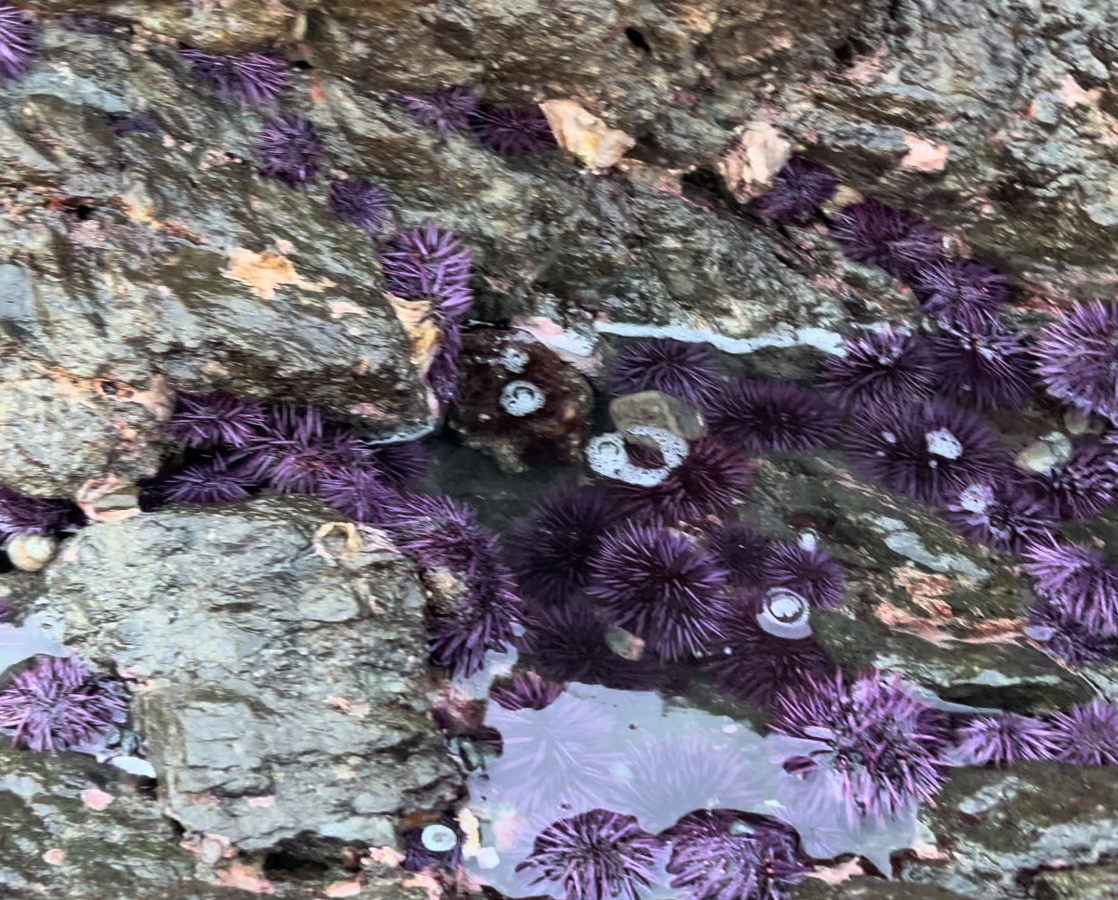
The first purple sea urchin I cracked open in Mendocino was empty. So was the second. Once you find a good spot up there you see purple spikes everywhere, wall to wall across the rock, and your first thought is that you've hit a jackpot, because uni is expensive and here it is for the taking. Then you open them up and there's almost nothing inside.
That emptiness is the whole story. These urchins helped eat the kelp forest down to bare rock, and a starving urchin has almost no uni to give. But the same animal, handled a different way, becomes some of the sweetest uni on the coast. Here's how that works, and how you can try it yourself.
What's Killing California's Kelp Forests
For a long time the story got told as if the urchins were the villains acting alone. They aren't. What actually tipped these forests over was a one-two punch: a marine heat wave warmed the water, and a wasting disease wiped out the sunflower sea stars that normally keep purple urchin numbers in check. With their main predator gone and warm water stressing the kelp, the urchins exploded in number and grazed what was left down to nothing.
The result is what divers call an urchin barren, a stretch of seafloor stripped bare and carpeted in purple. In parts of Northern California the bull kelp canopy has collapsed by more than ninety percent, and more than a decade on, the north has seen the least recovery of anywhere on the coast. That's why I filmed in Mendocino. It's the rawest version of the problem you can stand in front of.
Why a Starving Urchin Has Almost No Uni
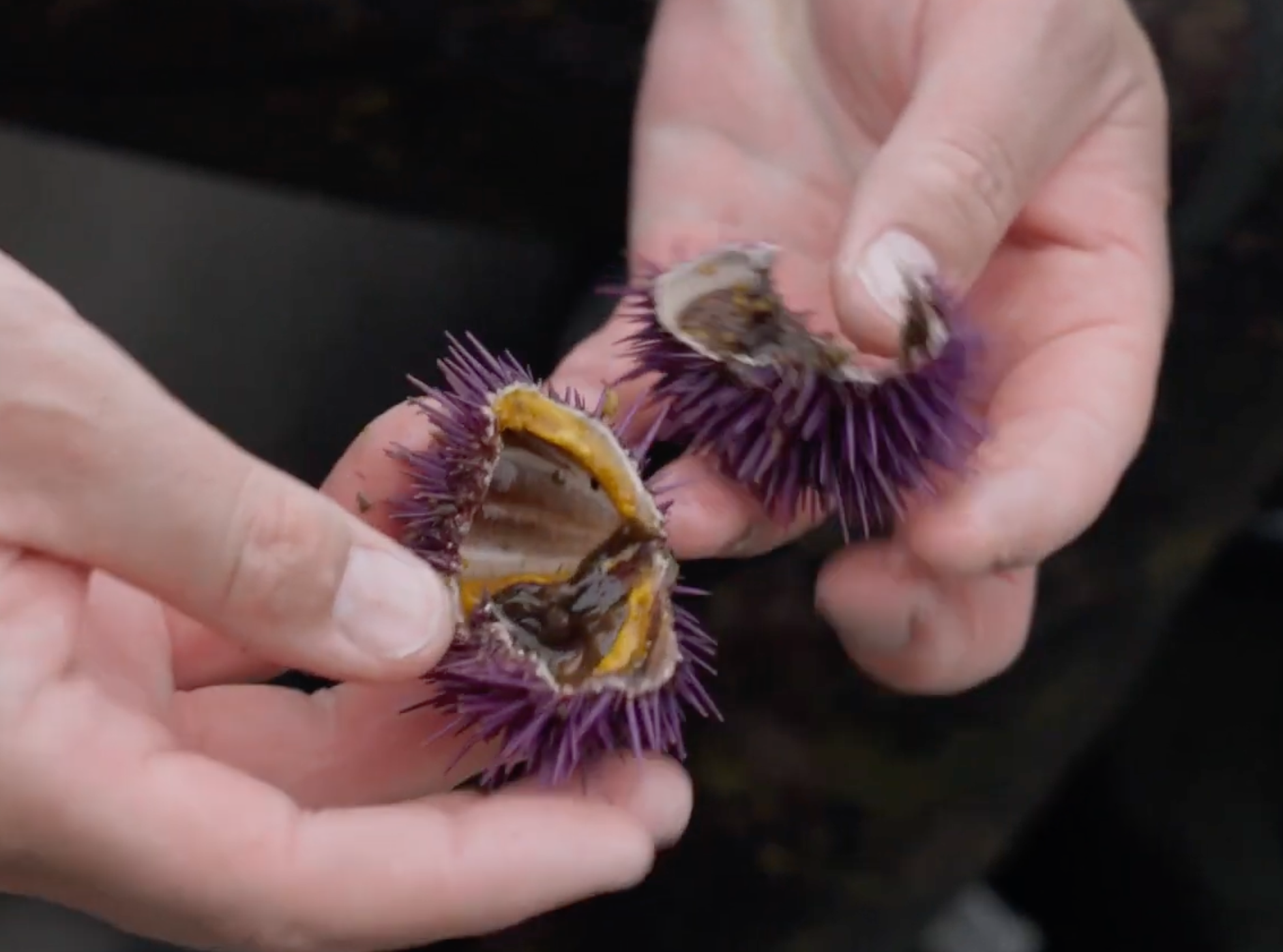
The part people eat, the uni, is the urchin's gonads, where it stores energy as fat and sugar before spawning. When there's kelp to eat, those lobes swell up rich and creamy. When the kelp is gone, there's nothing to store, so the lobes stay thin and pale, or the urchin has almost nothing inside at all.
Here's the wild part I learned filming this. A purple urchin in a barren can go semi-dormant and survive for years in that starved state, just holding on, waiting out the very shortage it created. That's why foraging in a barren is so hit or miss. I had to open a bunch just to get a decent amount to eat. The urchins aren't dead. They're empty. And that difference is exactly what makes the next part possible.
How Ranching Turns Empty Urchins Into Great Uni
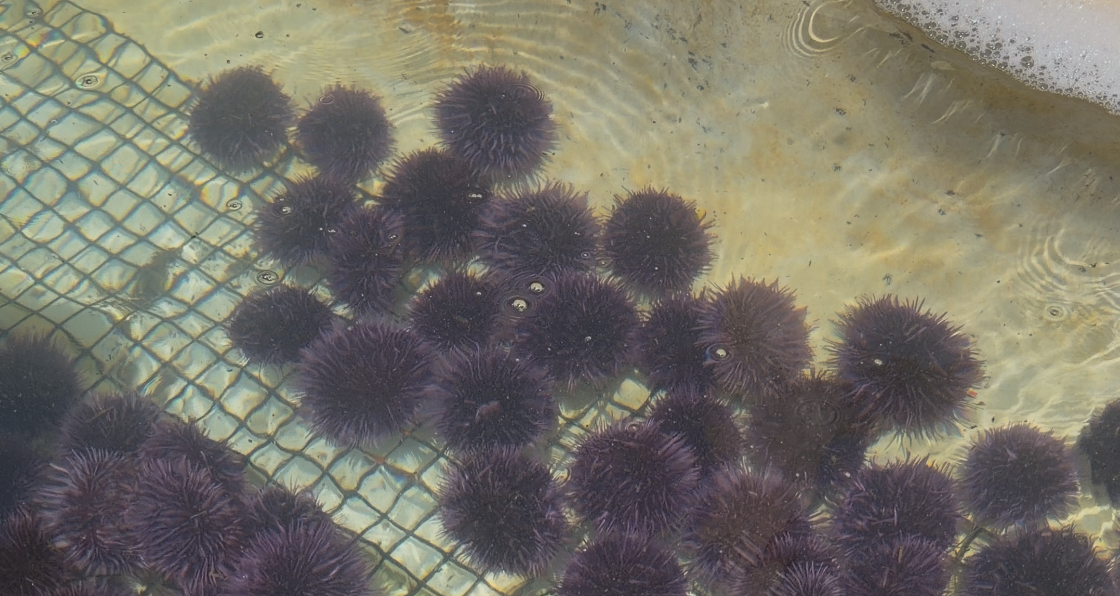
Because the animal is only starving and not dead, you can bring it back. Pull barren urchins off the rock, put them in tanks, feed them kelp, and a few months later those empty shells fill out with rich, sweet uni. The industry name for this is echiniculture, urchin ranching, and on the Central Coast around Santa Barbara it's happening at the Cultured Abalone Farm, where I got to see the tanks up close.
What surprised me was how simple the idea is. You're not engineering anything exotic. You're feeding a hungry animal until it becomes worth eating. And the ranched ones come out visibly different from the barren ones, heavier, thicker, more vibrant. The bonus sits underneath the whole thing: because it's the overgrazing that creates barrens in the first place, every urchin pulled off the rock relieves the pressure and gives the kelp room to grow back. The removal and the meal are the same act.
How to Try It Yourself
There are three honest ways to get this uni, depending on whether you want to earn it, buy the ranched stuff, or buy straight from a diver. Wherever you go, tell them Geronimo sent you!
Here's the short version if you just want to eat it: the easiest, most reliable path for most people is buying direct from a diver, and that's where I'd start. The rest is for when you want to go deeper.
Buy direct from a diver (start here). This is what I'd point most people to, because you get uni from someone who caught it herself and can tell you exactly where it came from. Sea Stephanie Fish is diver-owned, works the Central Coast, and sells direct as well as through retail popups, where you'll sometimes find her signature "Stephanie style," a freshly shucked oyster topped with uni and caviar. Briny, luxurious, almost overindulgent.
Buy the ranched uni. If you want the reliable, restaurant-grade version and Stephanie's sold out or too far, ranched is the next look. Cultured Abalone Farm on the Central Coast does the urchin ranching I filmed, alongside their abalone.
Forage it yourself (the adventure). This is how I learned, and it's a genuinely fun way to eat well and take a little pressure off the kelp at the same time. It's also the hardest path and the easiest to do badly, so this one's for the committed. Go with people who know the coast and the rules. I foraged with Flora & Fungi Adventures, who run guided trips. Two non-negotiables before you even think about it: you need a valid California recreational fishing license from CDFW, and there are limits, seasons, and location rules that change, so check the current regulations every time. The guides handle a lot of this, but the responsibility is yours.
Later learned: don't pull the seaweed, trim them to let grow back
The Bigger Picture
Urchins are one thread. The same warming and kelp collapse that created these barrens also hammered California's abalone, and the healthy version of this coast, the one with lush kelp and biodiversity everywhere, is what all of this is trying to get back to. The thing I keep coming back to is how rare it is to have a delicacy where eating more of it is the responsible move. Most of the time the good stuff and the right thing pull in opposite directions. Here they line up. Get outside, get in the water, and you can taste the difference restoration makes.
Visiting the Cultured Abalone farm in Goleta
Frequently Asked Questions
Can you eat purple sea urchin? Yes. Purple sea urchin uni is edible and, when the animal is well fed or ranched, sweet and creamy. The catch is that urchins taken straight from a barren are often nearly empty, which is why ranching or feeding matters so much for quality.
Is it legal to forage sea urchin in California? Recreational sea urchin harvest is allowed with a valid California fishing license, subject to limits and location rules set by the Department of Fish and Wildlife. Regulations change, so confirm the current rules, seasons, and any local restrictions before harvesting.
Does eating sea urchin actually help kelp forests? Removing purple urchins from a barren reduces grazing pressure and gives kelp a chance to regrow, and divers have removed millions for exactly this reason. It's one useful lever, not a complete fix, since the underlying drivers were ocean warming and the loss of sea star predators.
What's the difference between purple uni and red uni? Purple sea urchin uni tends to be milder, sweeter, and creamier, while red sea urchin (aka uni) is larger and bolder and is the more common premium variety in the U.S. market. Neither is simply "better," they're different, and California waters are known for producing especially rich, buttery uni across types.
When is sea urchin season in California? Uni is generally at its richest in the cooler months, when the gonads are fullest, though ranched urchins can be available more consistently year-round because they're fed on a controlled basis.