Where I Ate in Santa Barbara, and the Farm That Stole the Trip
Six stops, one trip, and a regenerative abalone farm in Goleta that ended up being the best bite of the whole visit. Here's exactly where to go and what to order.
I visited Santa Barbara for a few days of eating, and I didn't expect the best bite to come from a tank in Goleta. Here's everywhere I went, what I'd order again, and the one stop that changed how I think about farmed abalone.
Corazon Cocina
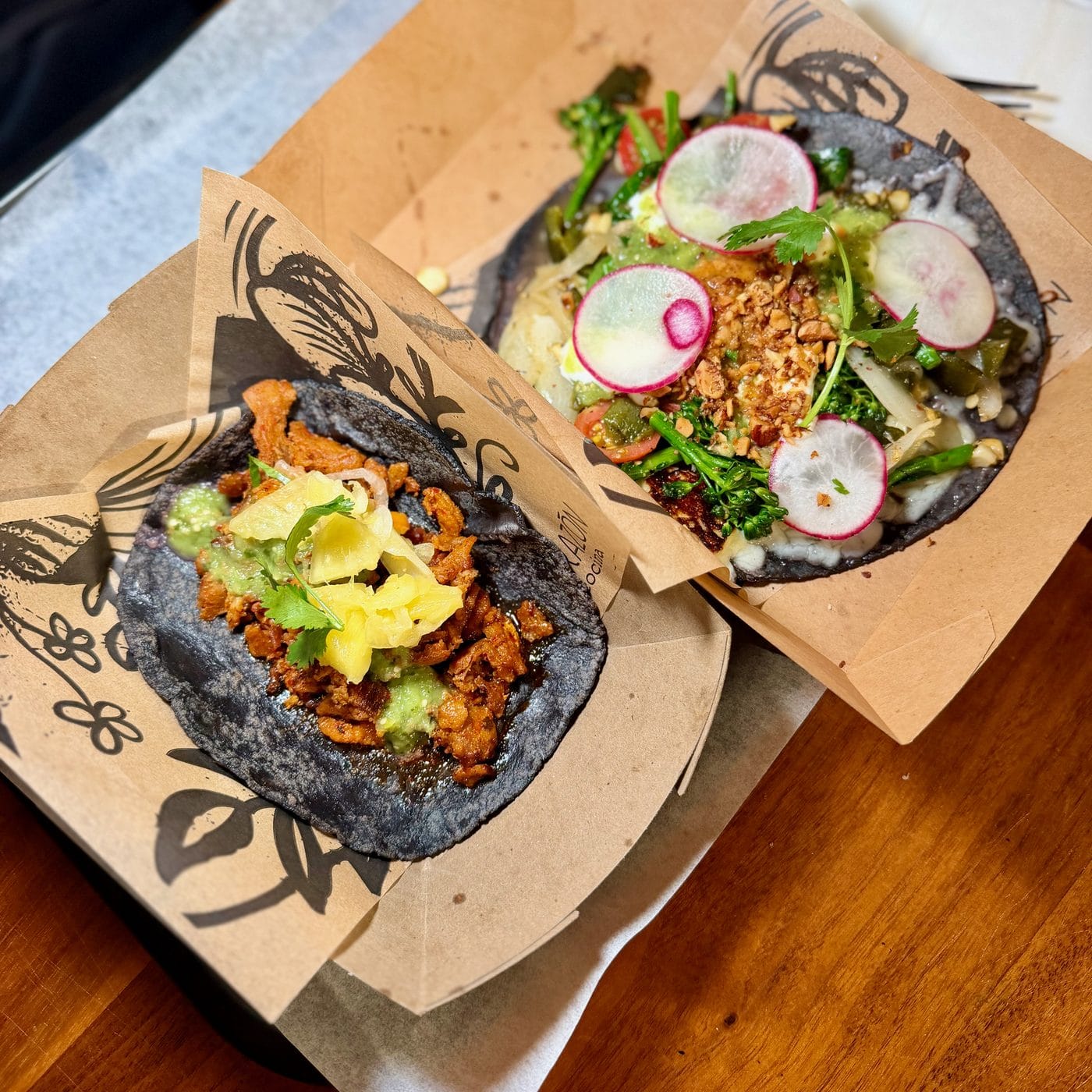
First stop after the drive in, and I was starving. Corazon Cocina holds a Michelin Bib Gourmand, and it earns it. The al pastor was smoky and layered, but the market vegetable quesadilla was the real standout, blue masa tortilla, chewy in the best way, stuffed with whatever was fresh that week. Chef Ramon Velazquez runs the kitchen with a hand-made-everything philosophy, tortillas and salsas included, and it shows in every bite.
Coffee Runs: Dune and Dart
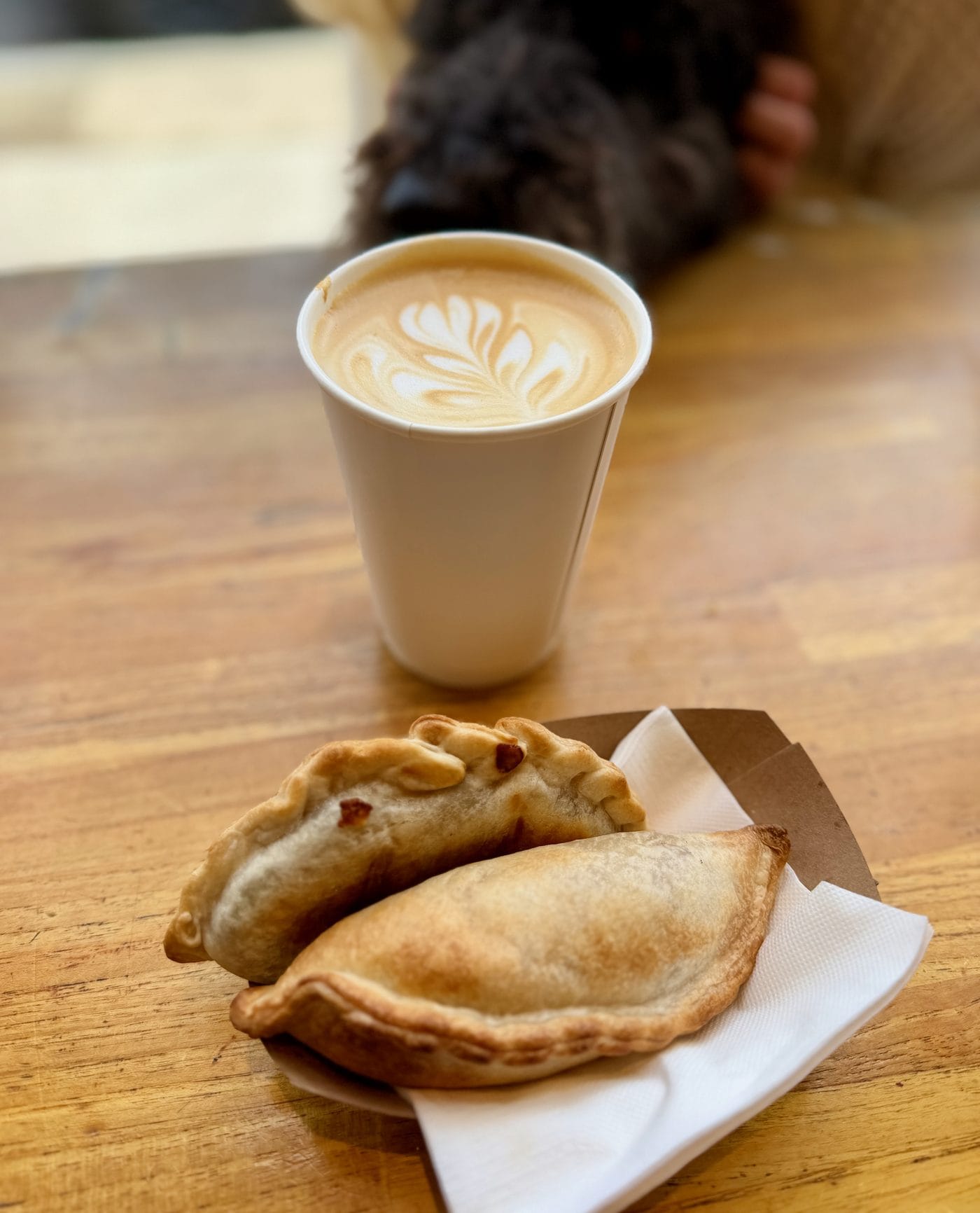
Mornings ran on flat whites. Dune Coffee Roasters kicked things off, solid flat white, breakfast burrito that actually kept me full past noon. A few days later, Dart Coffee picked up the slack with another flat white and an empanada from Buena Onda, a local Argentinian spot Dart has partnered with for years, worth the detour.
Little Mountain
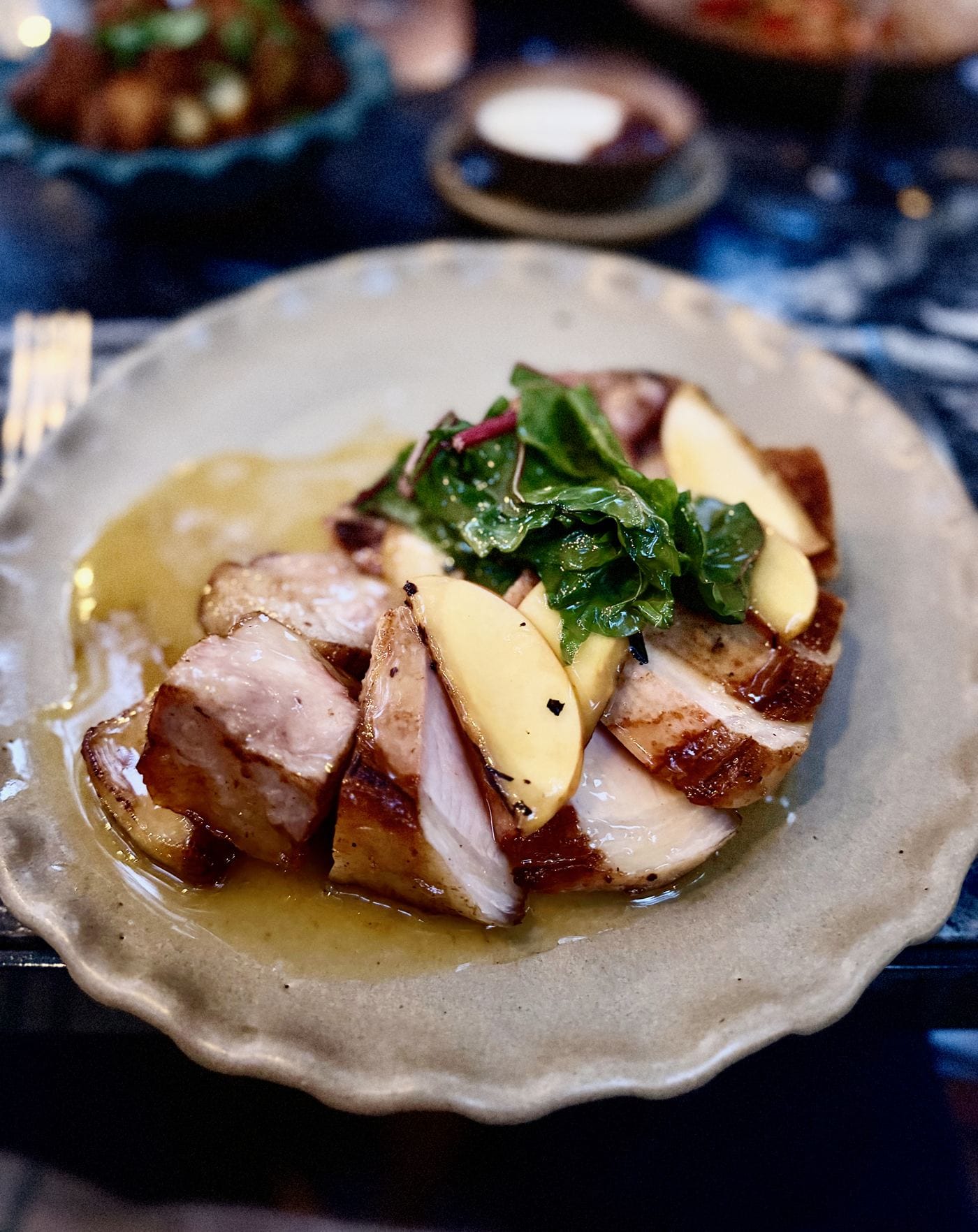
This one doubled as my anniversary dinner with my wife, so it's a little biased, but Little Mountain earned it. Chef Diego Moya runs a locally sourced menu that leans into whatever the farmers market hands him that day. Every dish was delicious and colorful, but the pork chop, finished with a coal-roasted apple, was the one I'm still thinking about.
Secret Bao
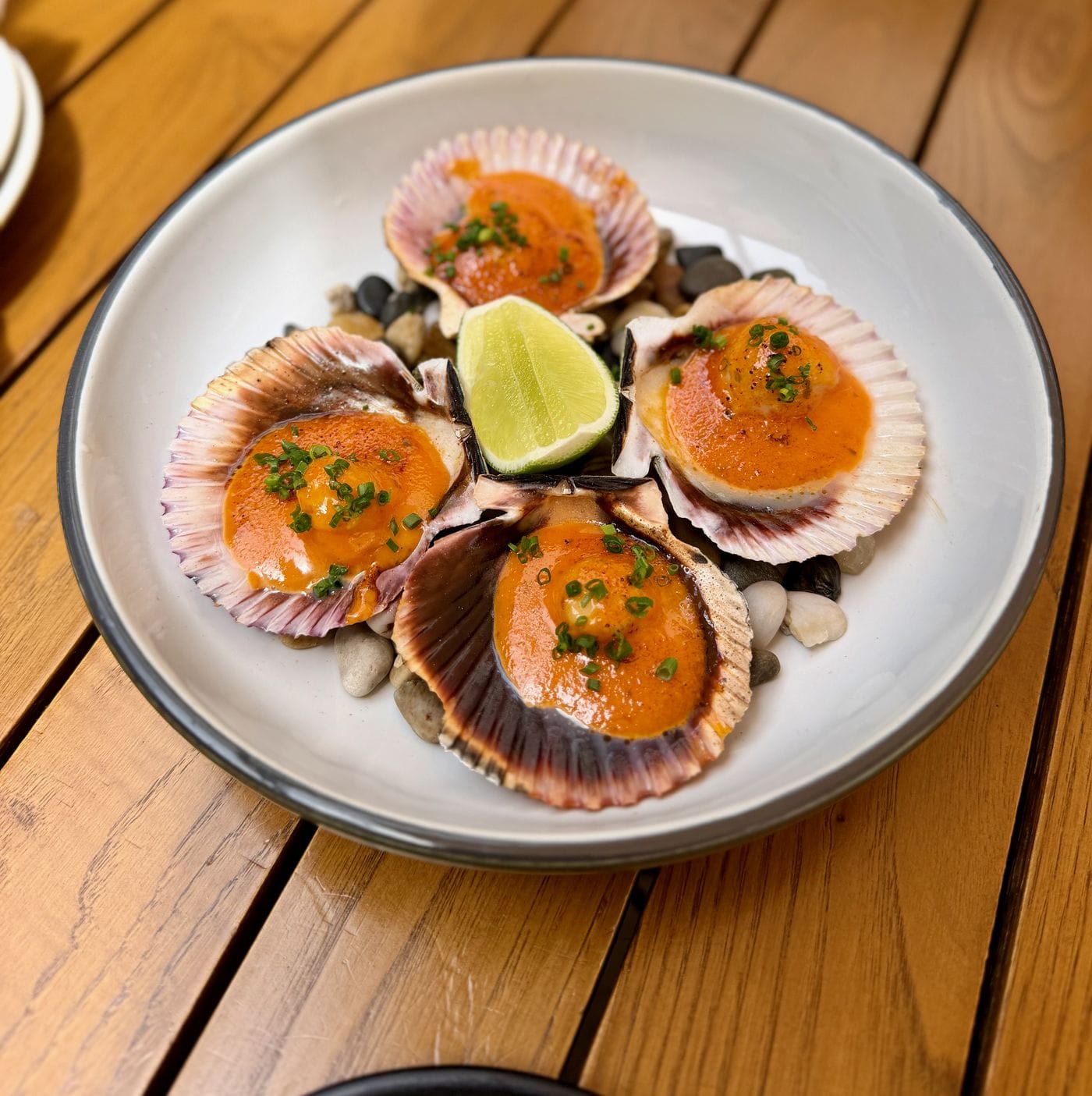
Quick lunch stop at Secret Bao, and worth planning around. The pink Peruvian scallops were bright and clean, but the pork belly bao is the one I'd order twice in the same sitting.
Cultured Abalone Farm
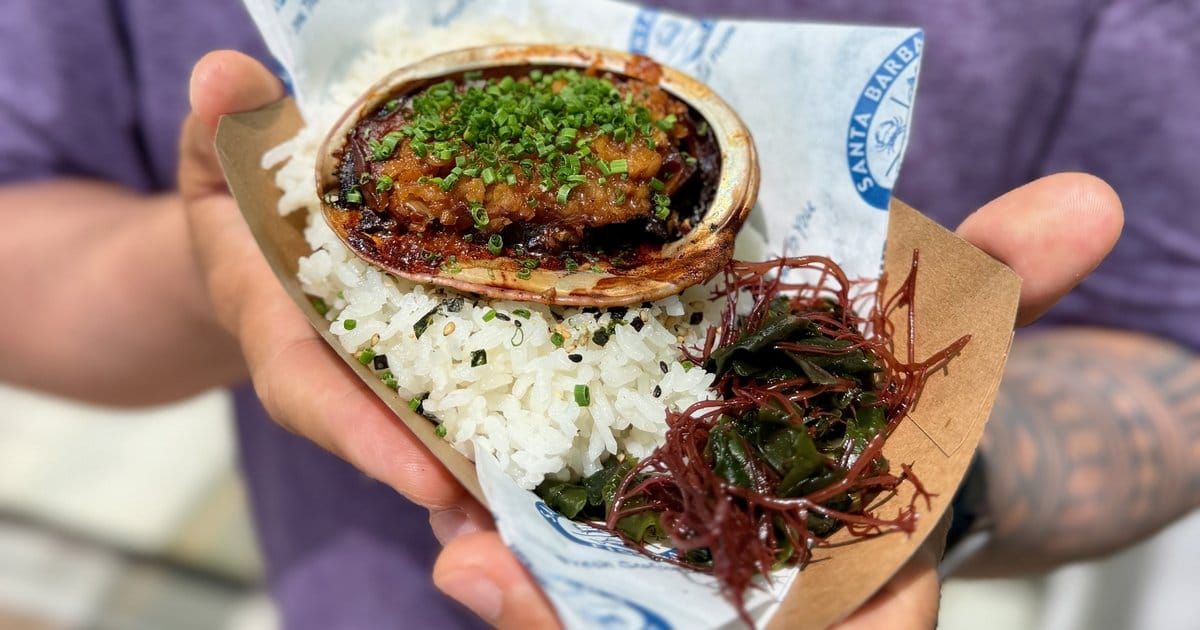
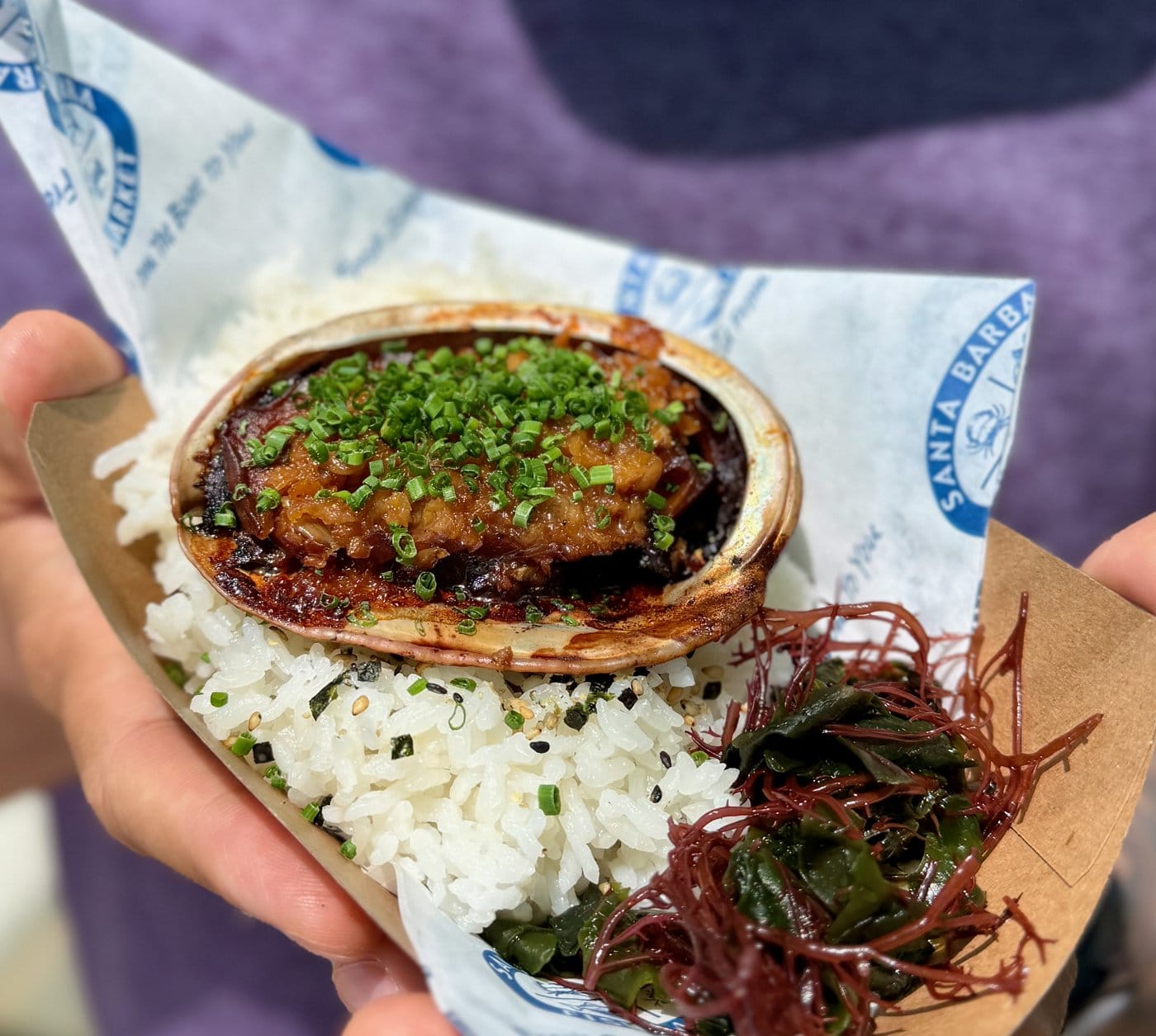
This is the one that stuck. Cultured Abalone Farm sits along the Gaviota Coast, about 20 minutes north of the city, and it's one of the last dedicated abalone farms left on the West Coast. They occasionally run culinary tasting tours right on the farm, so keep an eye on their calendar if you want the full experience. Can't make it out to Gaviota? Santa Barbara Fish Market's restaurant serves the same abalone, so you can still get the dish without the drive. Chef Paul Osborne of Santa Barbara Fish Market cooked for us right there on the farm, abalone braised in soy and sake, finished with garlic butter on the grill.
If you want the full story on how this farm operates, from hatchery to harvest to why it matters for wild abalone recovery, I wrote about it in more depth here: Inside the Operation: California Abalone Farm.
Best abalone I've ever had. And it's not wild, it's farmed, which is actually the whole reason it still exists to eat. Wild abalone populations collapsed decades ago from overfishing and disease, and commercial harvest has been banned in California since 1997. Farms like this one are why the dish isn't extinct.
Frequently Asked Questions
Why farmed abalone instead of wild? Wild abalone can't legally be harvested commercially in California, and hasn't been able to since 1997, after decades of overfishing and disease decimated the population. Farms like Cultured Abalone Farm are one of the only ways the dish still exists to eat, and it's grown without antibiotics or synthetic inputs, fed on kelp harvested from the same coastline it's raised on.
What does regenerative aquaculture actually mean? It means the farming method restores or maintains the surrounding ecosystem rather than depleting it. In this case, the farm draws directly from the open ocean, feeds the abalone wild-harvested kelp instead of processed feed, and participates in NOAA's white abalone recovery program alongside its commercial operation. The farm isn't just avoiding harm, it's actively contributing to a species recovery effort.
How do I book a tour at Cultured Abalone Farm? The farm shop is open Saturdays from 12 to 2pm, and walking tours run on select dates throughout the year. Book and see current dates at culturedabalone.com/visit-us.
Where can I buy California abalone if I can't visit the farm? Order direct at culturedabalone.com, they ship live. In the Santa Barbara area, Santa Barbara Fish Market in Goleta carries their product fresh.
Santa Barbara's food scene runs on care and craft, from a taco counter in a public market to a farm tank in Goleta. If you're headed there, save this guide.
Want more of this? Save your spot for my new newsletter covering sustainable sourcing, foraging, and the people behind the food. First issue coming soon.